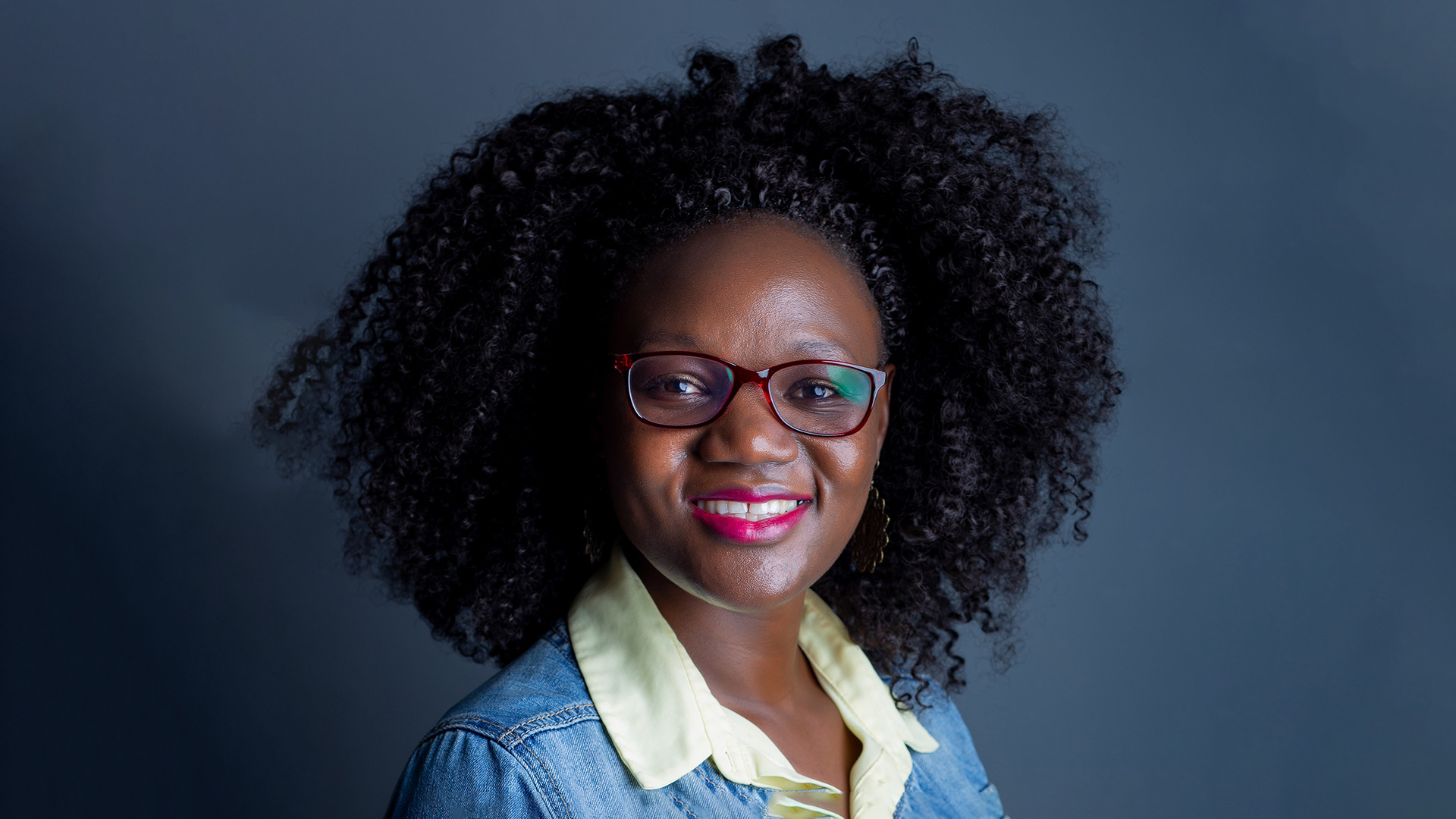
By Rhoda Musiima, Founder – Phos Creatives
There are moments in your career that do not look dramatic from the outside, but quietly shape who you grow into.
I remember walking into certain boardrooms early in my journey in Uganda’s creative industry and feeling the shift in the room before a word was even spoken. I was often the only woman at the table. Sometimes I was the youngest person there. Many times, I was both.
I would present a strategy I had spent days refining, insights backed by data, campaigns carefully thought through, and instead of being asked to elaborate on the thinking, someone would lean back and say, almost casually, “How old are you? You look smartly dressed.”
I immediately would feel, smell, see and hear the unspoken age and gender bias; whether a young woman like myself should be leading the conversation.
In other meetings, I would make a submission, offer a clear recommendation grounded in research and experience, and watch it settle into the room without acknowledgement.
Minutes later, a male colleague would repackage the same idea, and suddenly it was considered strategic.
In those moments, you have a choice. You can shrink and decide that perhaps you spoke too confidently. Or you can steady yourself and decide that your voice belongs in that room, even if it unsettles expectations.
I would be lying if I said it did not plant seeds of doubt. There were evenings when I replayed conversations in my head and questioned whether I should have spoken differently, softer, smaller. That is the quiet cost of being unseen. It is not always loud exclusion. Sometimes it is a subtle dismissal. A comment. A glance. A question that is not really a question.
Over time, those experiences nurtured something in me. They forced me to become more assertive, not out of ego, but out of necessity. I learned that if I did not stand firmly behind my ideas, they would be brushed aside. If I did not speak with clarity and conviction, they would be diluted. Assertiveness became less about proving myself and more about protecting the work I had done.
I often think about the younger Ugandan girls who are curious about design, about technology, about digital strategy and creative leadership. When they look at boardrooms and agency leadership and do not see women reflected there, something subtle happens. They begin to edit their ambition before the world ever asks them to.
When younger girls cannot see themselves in digital leadership, they start shrinking their dreams to fit what feels acceptable.
That is why representation matters, not as a slogan, but as a lived experience, as Uganda’s digital landscape is expanding rapidly.
The time is now for us to build platforms like Women in Digital to shape narratives, influence culture beyond boardrooms, because if women are not shaping strategy, leading departments, founding creative collectives, and owning digital infrastructure, then the future will reflect that absence.
Spaces like Women in Digital matter because they interrupt that silence. They remind us that our experiences are not isolated, that our ambition is not misplaced, and that leadership does not have to look the way it always has.
If you have ever walked into a room and felt unseen, I hope you know your voice still carries weight. If you have ever had your ideas questioned in ways that had nothing to do with their merit, I hope you choose to keep building anyway.
I look forward to continuing this conversation at the Women in Digital event organised by the Uganda Digital Society on 7th March 2026 at the Bight of Benin at 9:00EAT. I hope you will join us, not just to attend, but to claim space in a future that needs your voice.